

A trusted restoration supplier does more than process an order. The supplier helps you select equipment that fits the job, identify compatible accessories, find current product documents and keep essential machines working. That support can protect time, cash flow and customer confidence.
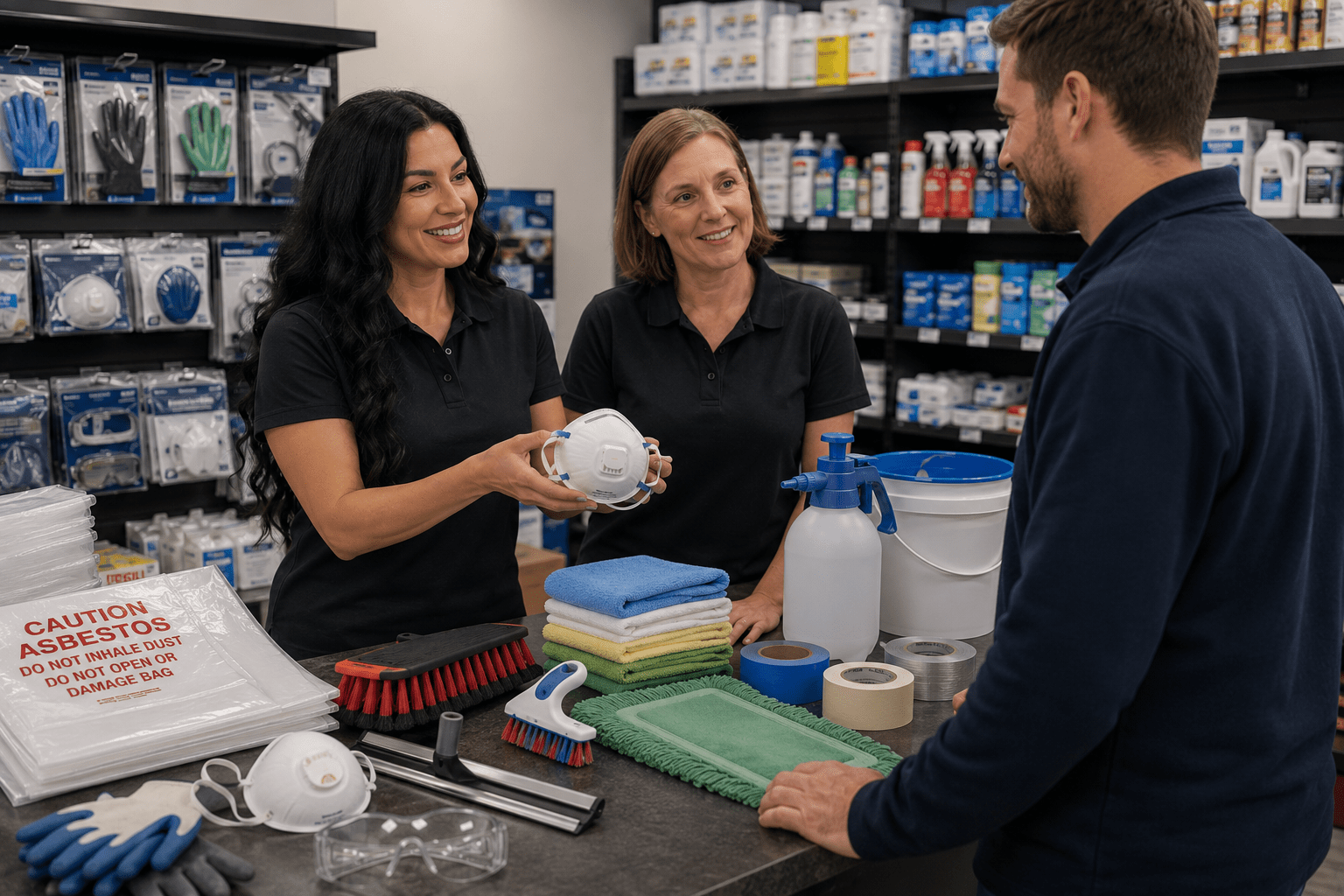
Better questions lead to better product choices
Restoration equipment is rarely selected on one specification. Airflow, water removal, filtration, power, hose length, room conditions, transport and duty cycle may all matter. A knowledgeable supplier should ask what you are trying to achieve before recommending the most expensive option.
Useful advice also includes limitations. No machine, chemical or instrument is right for every loss.
Clear availability helps you plan
Professional catalogues include a mix of shelf stock, Australian distributor stock, manufacturer order-ins and imported specialist products. A trusted supplier explains the difference. Drop-shipped items may be available quickly even when they are not physically held in the showroom. Imported equipment can take longer.
For urgent work, confirm lead time before committing to the customer. Honest availability information is more useful than a misleading stock badge.
Correct accessories prevent expensive mistakes
A machine may need hoses, filters, ducting, jets, leads, fittings or application tools. Model revisions and thread sizes can complicate the choice. A supplier with product knowledge can check compatibility before dispatch.
Keep model plates, serial numbers and photographs available when ordering parts and accessories. Those details often resolve a question faster than a product description alone.
Current documents support safer work
Technical manuals, labels and Safety Data Sheets help a business train staff and manage risk. Safe Work Australia explains that a workplace hazardous-chemical register must include a current SDS for each hazardous chemical listed. It should be easy for workers and emergency services to access.
See Safe Work Australia’s hazardous-chemical register guidance, then use our Product Documents and Safety Data Sheets hub to locate official sources and available files.
Parts and service extend equipment life
The relationship matters after the sale. Filters and wear parts need replacement. Pumps, switches, wheels, hoses and electrical components may need inspection or repair. Local parts knowledge can return a machine to service sooner and reduce unnecessary replacement.
Ask how warranty claims are handled, what maintenance is expected and which consumables should be kept on hand. Restoration Warehouse supports key professional equipment families through our service and repair offering.
Reputation creates accountability
A real business address, clear contact details and accessible staff make it easier to resolve a problem. Look for consistent product information, realistic claims and policies you can understand. For hazardous products, be cautious when labels, manufacturer details or SDS documents cannot be verified.
Training and practical knowledge add value
Equipment only performs when it is set up and maintained correctly. A helpful supplier can explain routine care, demonstrate controls and direct you to manufacturer resources. Formal restoration decisions still belong with a competent professional, but product-specific guidance helps the team avoid preventable errors.
What to ask a restoration supplier
- Is this product suitable for the intended task?
- Which accessories and consumables are required?
- Where is it currently available and what is the likely lead time?
- Are manuals, technical data and current SDS documents available?
- Who handles warranty, parts and repairs?
- What routine maintenance does the manufacturer require?
A supplier should make the difficult jobs easier
The best supplier relationship reduces uncertainty before, during and after a purchase. Browse Restoration Warehouse for equipment, chemicals, parts and accessories and supplies and safety products. For help with a package, compatibility or time-critical order, contact our Brisbane team.
This article provides general information only. Product selection and restoration work should follow the manufacturer’s instructions, applicable standards and workplace health and safety requirements.
