
NEW ARRIVAL
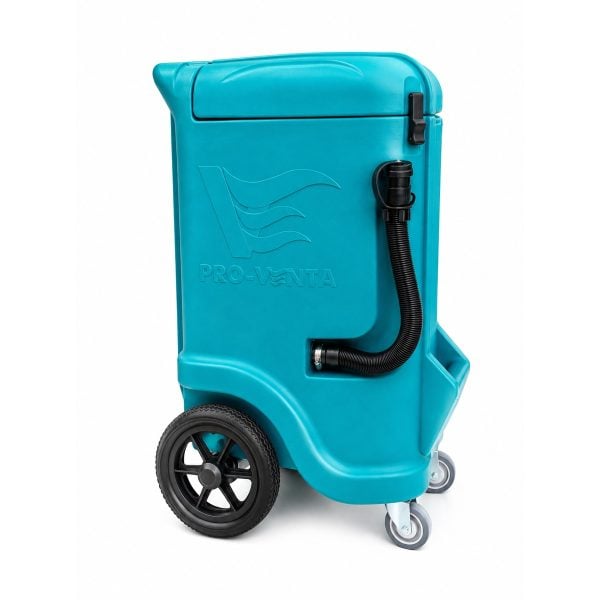
Shop restoration drying equipment for water-damage and structural drying work across Australia, including commercial dehumidifiers and air movers. Compare extraction, airflow and power on each product page. Hire drying equipment in Brisbane when the job cannot wait for a purchase.
Choose a product type
Select one category to narrow the range, or continue below to browse every product in this section.
Air movers and carpet drying fans for water damage restoration, structural drying, carpet and underlay drying, and flood…
Shop productsShop commercial LGR dehumidifiers for water damage restoration, flood recovery and structural drying. Compare DryTrak, XPOWER and Dri-Eaz…
Shop productsExplore structural drying mats and related drying systems for targeted water-damage restoration work. Review the available equipment and…
Shop productsProfessional pumps and waste-extraction systems for removing water and compatible liquids during restoration, cleaning and site recovery. Match…
Shop products


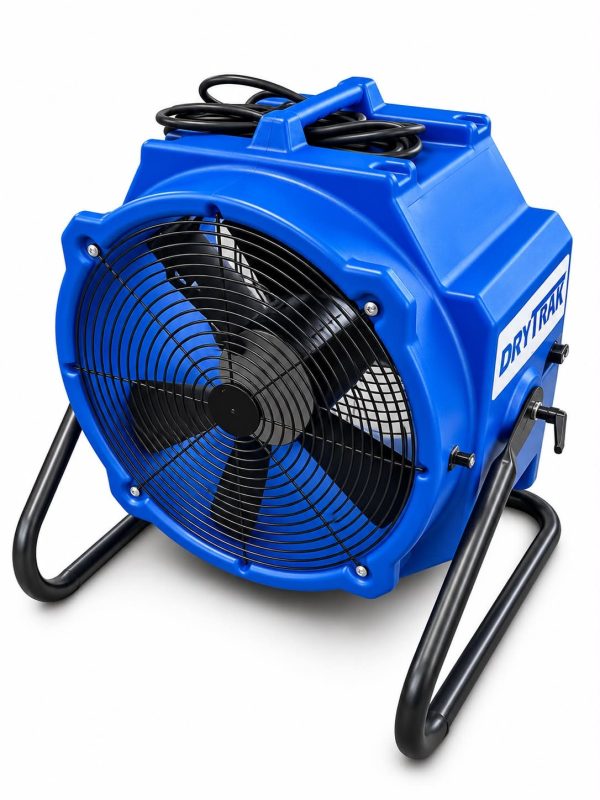
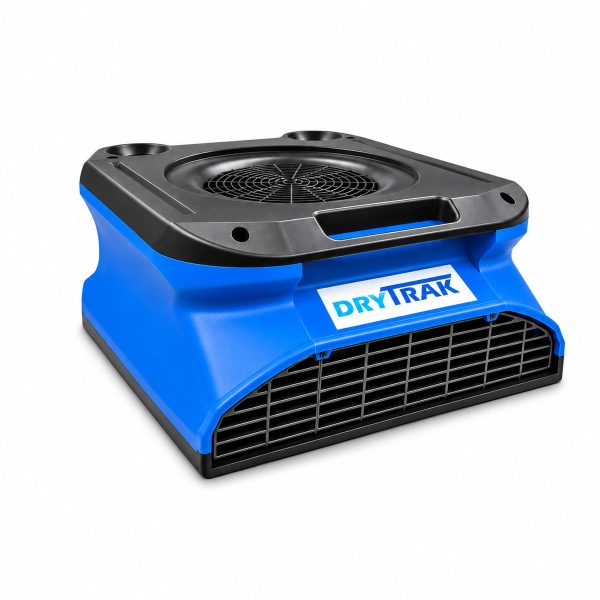


A structural dry is two jobs at once: move moisture off wet materials into the air, then pull that moisture out of the room. Air movers and carpet drying fans handle the first part. Commercial LGR dehumidifiers handle the second. Miss either side and the job stalls — humidity climbs, materials stay wet, and mould risk goes up.
Start with the affected area, not the catalogue. Walk the loss, note wet carpet, underlay, plasterboard, timber and cavities, and take readings with a moisture meter before you place gear. Our moisture meters and monitoring range covers the meters used on restoration jobs. For meter selection and verification practice, see how to choose a moisture meter and the structural drying measure–dry–verify setup. Then size airflow and dehumidification to that wet load, not to floor area alone.
Air movers push air across wet surfaces so evaporation can happen. Low-profile radial units suit carpet, walls and tight spaces; high-CFM axial units suit open rooms and large surfaces. See air movers and drying fans for the DryTrak axial and radial options stocked here, and carpet dryer vs air mover when you are deciding what to put on wet carpet after cleaning or a flood.
Commercial dehumidifiers take the moisture those fans lift and remove it from the air. On restoration work that usually means an LGR (low grain refrigerant) unit, which is designed to keep removing water as humidity drops through a dry. Compare water-removal figures only at the same test conditions, and add up amp draw before you load a circuit. Full model notes sit on the commercial dehumidifiers page. For selection detail, see how to choose a dehumidifier for restoration drying and LGR vs desiccant vs conventional.
Close doors and openings so you are drying the loss, not the street. Track temperature and relative humidity with a thermo hygrometer while the dry runs. On dusty or mould-affected jobs, pair the drying set with a HEPA air scrubber so airborne particles are controlled while you work — see how to choose an air scrubber and HEPA filter selection.
When you need capacity this week, Brisbane hire is available through our equipment hire page, including dehumidifier and air-mover hire units. Collect from Acacia Ridge or ask about delivery when you call the counter on 07 3568 4925.
For the wider water-damage setup — extraction, drying mats, pumps and related gear — use the water damage and structural drying hub. Ahead of SEQ storm season, the storm season stock check lists what crews usually want on the shelf.
An air mover moves air across wet materials so moisture evaporates. A dehumidifier removes that moisture from the air. Most water-damage jobs need both.
Keeping materials dry and humidity under control is part of mould management after water damage. Product choice and remediation steps still follow the job scope, labels and SDS — see mould remediation chemicals when chemical treatment is part of the plan.
Yes. Dehumidifier and air-mover hire options are available in Brisbane — ask the counter for current stock.